Future Technologies: How NASA's Lunar Base Plans Shape Innovation
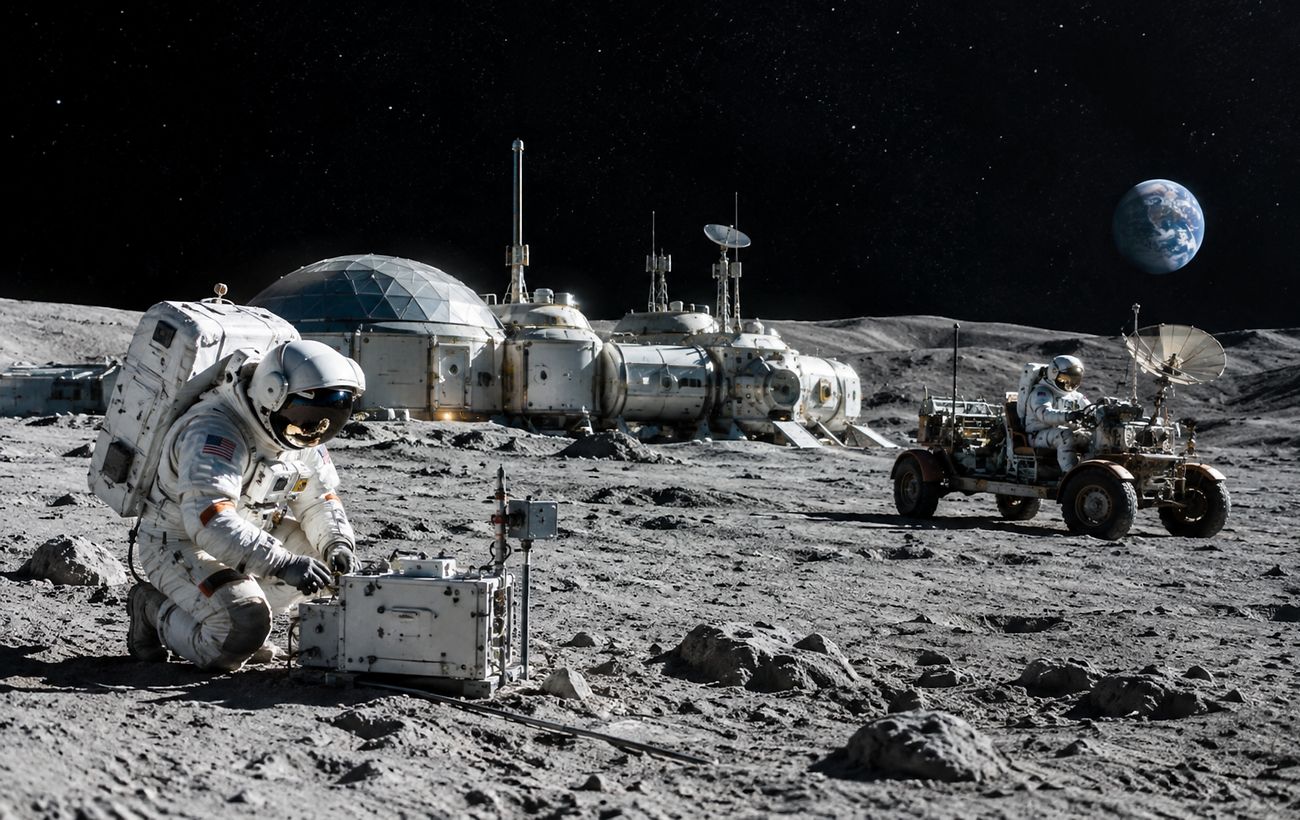
NASA and international researchers are developing critical technologies to establish a permanent human presence on the Moon.
 🎭Culture & Sport
Photo: RBC-Ukraine
Key points
- NASA aims to deploy a compact nuclear reactor on the Moon by 2030.
- In-situ resource utilization will enable water and oxygen production on the lunar surface.
- New shielding technologies are being tested to protect against radiation and abrasive dust.
Engineering the Lunar Frontier
Establishing a sustainable base on the Moon requires overcoming significant engineering challenges, from reliable power generation to advanced life support systems. Since relying solely on solar panels is impractical due to the two-week-long lunar night, space agencies are developing alternative power sources, including compact nuclear reactors designed to provide uninterrupted electricity.
Resource utilization is another crucial pillar for future lunar missions. Transporting every drop of water and oxygen from Earth is cost-prohibitive, prompting plans to harvest water ice from permanently shadowed polar craters and extract oxygen from local lunar soil. Advanced life-support systems must also operate autonomously for years, recycling waste and maintaining a habitable environment for astronauts.
Overcoming Environmental Hazards
The lunar environment poses severe risks to both equipment and human health, largely due to abrasive lunar dust. The sharp, electrostatically charged particles easily cling to surfaces and damage mechanisms, requiring innovative solutions like electrodynamic dust shields and specialized filtration systems.
Furthermore, without a thick atmosphere or magnetic field, astronauts will face constant exposure to cosmic radiation and solar flares. Engineers plan to shield habitats by covering them with thick layers of regolith, creating robust structures that can withstand micrometeorites and radiation alike.
Source RBC-Ukraine — rbc.ua/ukr/news/vid-dernogo-reaktora-5g-shcho-potribno-nasa-1794836… ↗
Read next
 ⚽Sport
Premier League Matchday 11: Chelsea thrashed as Tottenham secures victory
The latest round of the English Premier League saw a major upset for Chelsea alongside several decisive performances across the league.
 🛡️Security
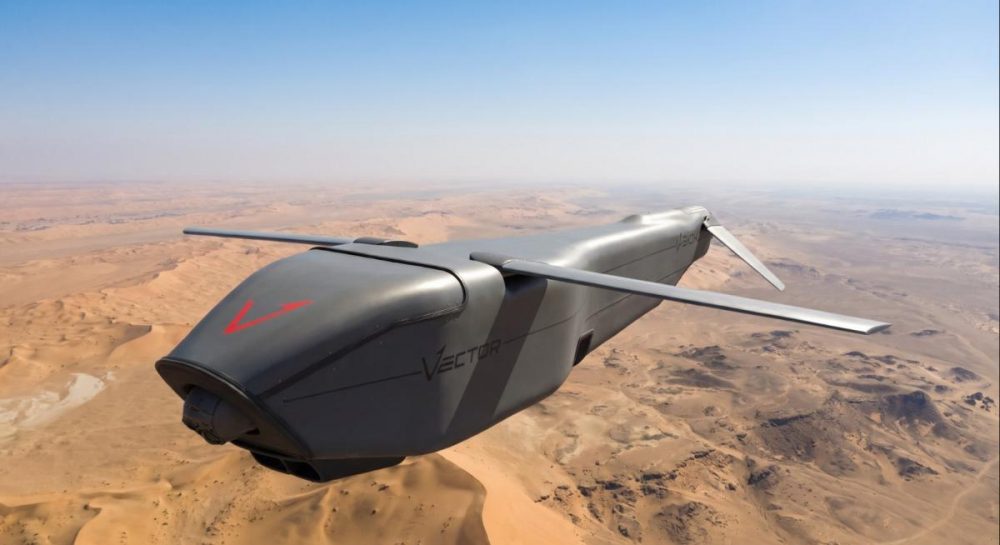
Vector unveils new long-range strike drone Bombard
The American company has introduced a jet-powered UAV designed for long-range missions, drawing on experience from the conflict in Ukraine.
 💡Tech
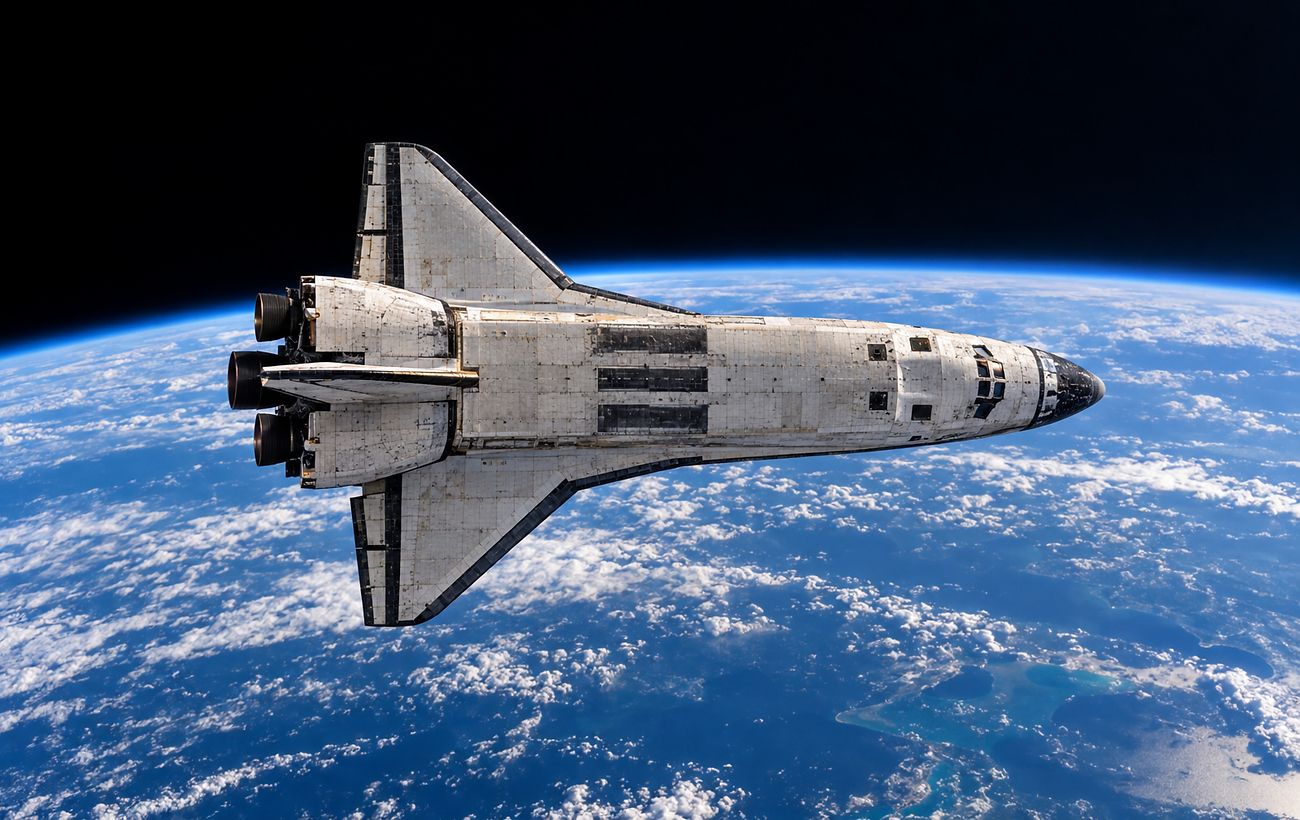
China explores space plane fleet concept for rapid global deployment
Chinese researchers have published a study on deploying a fleet of 40 space planes capable of reaching any point on Earth within minutes.
 🏙️City
Shifting Public Mood in Germany: What Polls on Aid Mean for Ukrainian Communities
A new YouGov survey in Germany shows rising public support for reducing or halting assistance to Ukraine.
 🛡️Security
Donald Trump announces plans for expanded humanitarian truce between Ukraine and Russia
President Donald Trump stated that the US is working on a larger-scale ceasefire following a successful evacuation in Oleshky.
 🩺Health
Animal body language: how Bucha residents can tell if their dog fully trusts them
Veterinarians and dog trainers explain what evening habits and sleeping positions can reveal about a pet's level of trust and psychological comfort.