Formation of an Authoritarian Alliance: Analysis of Global Security Impacts
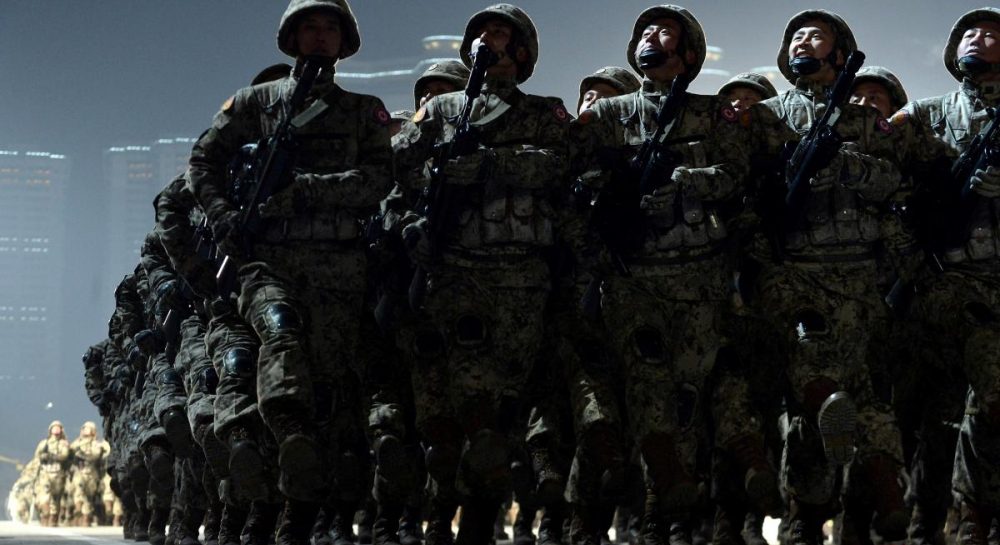
The Economist reports on the deepening coordination between Russia, China, Iran, and North Korea, creating new challenges for international stability.
 🇺🇦Ukraine
Photo: UNIAN
Key points
- Deepening cooperation between Russia, China, Iran, and North Korea
- Over 600 recorded instances of security interaction
- Lack of unified command despite shared interests
- Changes in US defense policy
A New Geopolitical Reality
Analysts at The Economist highlight the growing level of cooperation between four authoritarian regimes: Russia, China, Iran, and North Korea. Despite the lack of a formal military bloc similar to NATO, these nations are actively exchanging technologies, intelligence, and military expertise, allowing them to more effectively bypass international sanctions.
The Scale of Interaction
According to the FDD research center, more than 600 instances of security cooperation between these states were recorded between 2019 and 2025. This process has become particularly intense following the start of Russia's full-scale invasion of Ukraine. Experts note that while the interests of these countries do not always align, their mutual support significantly complicates the task for Western democracies to contain each of these regimes individually.
Meanwhile, changes in defense policy are emerging in the United States. Specifically, Secretary of Defense Pete Hegseth has initiated restrictions on informal military contacts, which may signal a review of security strategies in the face of new global tensions.
Source UNIAN — unian.ua/world/rosiya-knr-iran-ta-pivnichna-koreya-stvorili-neforma… ↗
Read next
 👥Society
Dietary Secrets: Why You Should Eat Canned Sardines with Bones
Experts explain how to get the most nutrients out of common foods, highlighting the nutritional value of bones in canned sardines.
 ⚽Sport
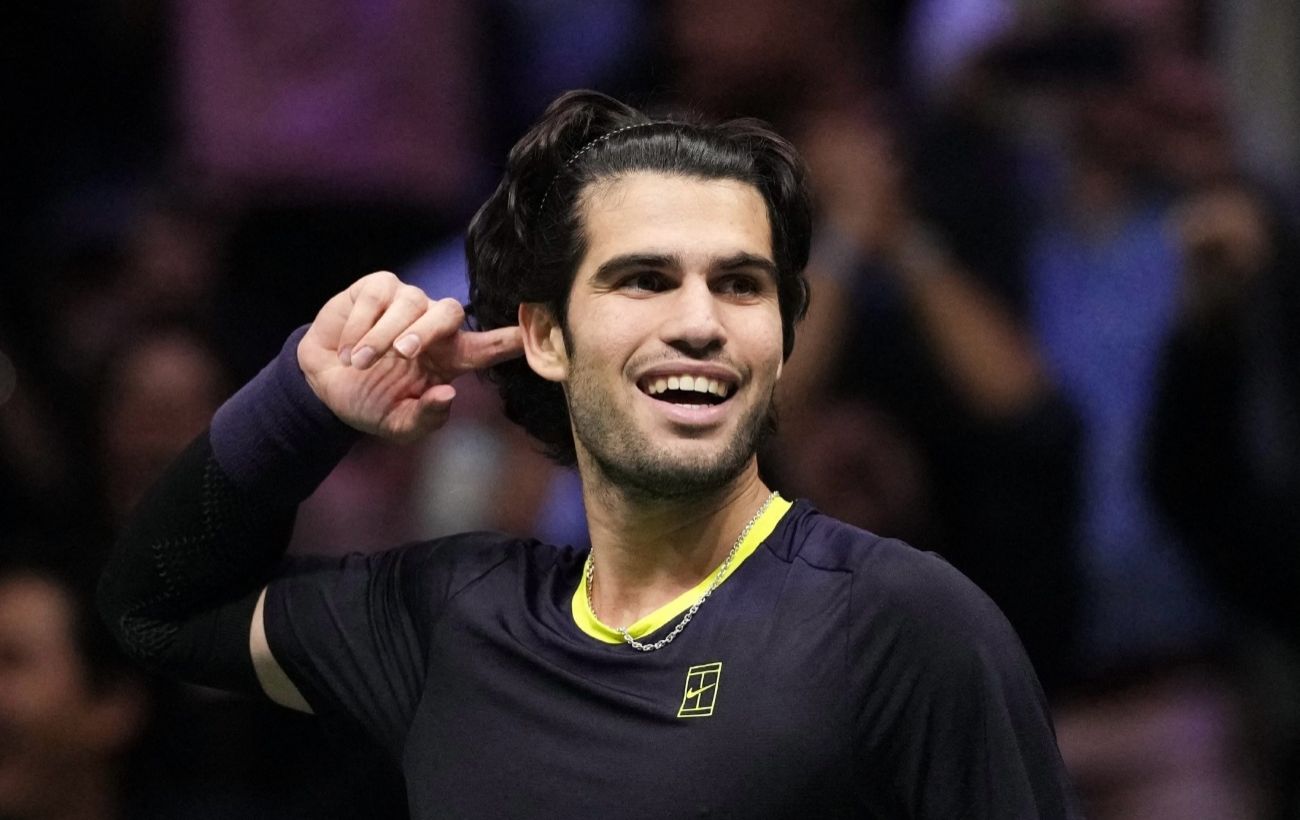
Carlos Alcaraz claims his first ATP Finals title
Spanish tennis star Carlos Alcaraz secured victory at the ATP Finals in Turin, defeating world number one Alexander Zverev.
 🎭Culture & Sport
House of Culture Director from Kyiv Region Impresses The Voice of Ukraine 14 Judges
26-year-old settlement House of Culture director Aliona Kompaniets successfully performed on the vocal show The Voice of Ukraine 14, singing the folk song 'Plyve kacha po…
 👥Society
Rescue operation in Dymer: 7-year-old boy pulled from rubble
7-year-old David was rescued after spending 14 hours under the ruins of a residential building in Dymer.
 🚨Events
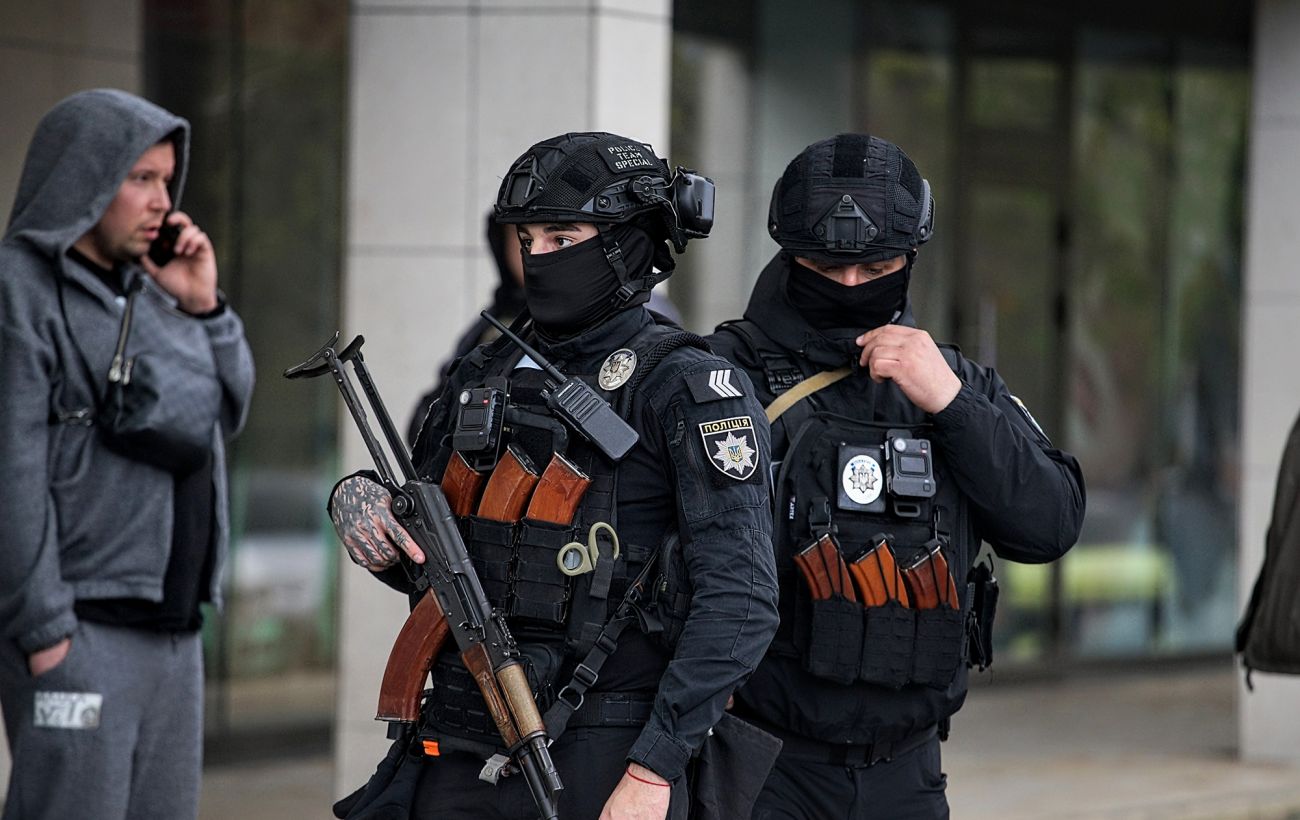
Police search for suspects following deadly shooting in Kharkiv
On the evening of November 22, a man was shot dead in the streets of Kharkiv. Authorities have launched a special police operation to apprehend the perpetrators.
 👥Society
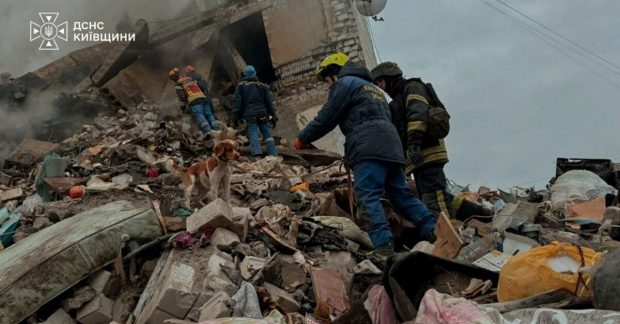
Rescue operation in Dymer: 7-year-old boy pulled from rubble after 14 hours
Following a drone attack on a residential building in Dymer, rescuers saved a child who had been trapped under the debris for nearly a day.